
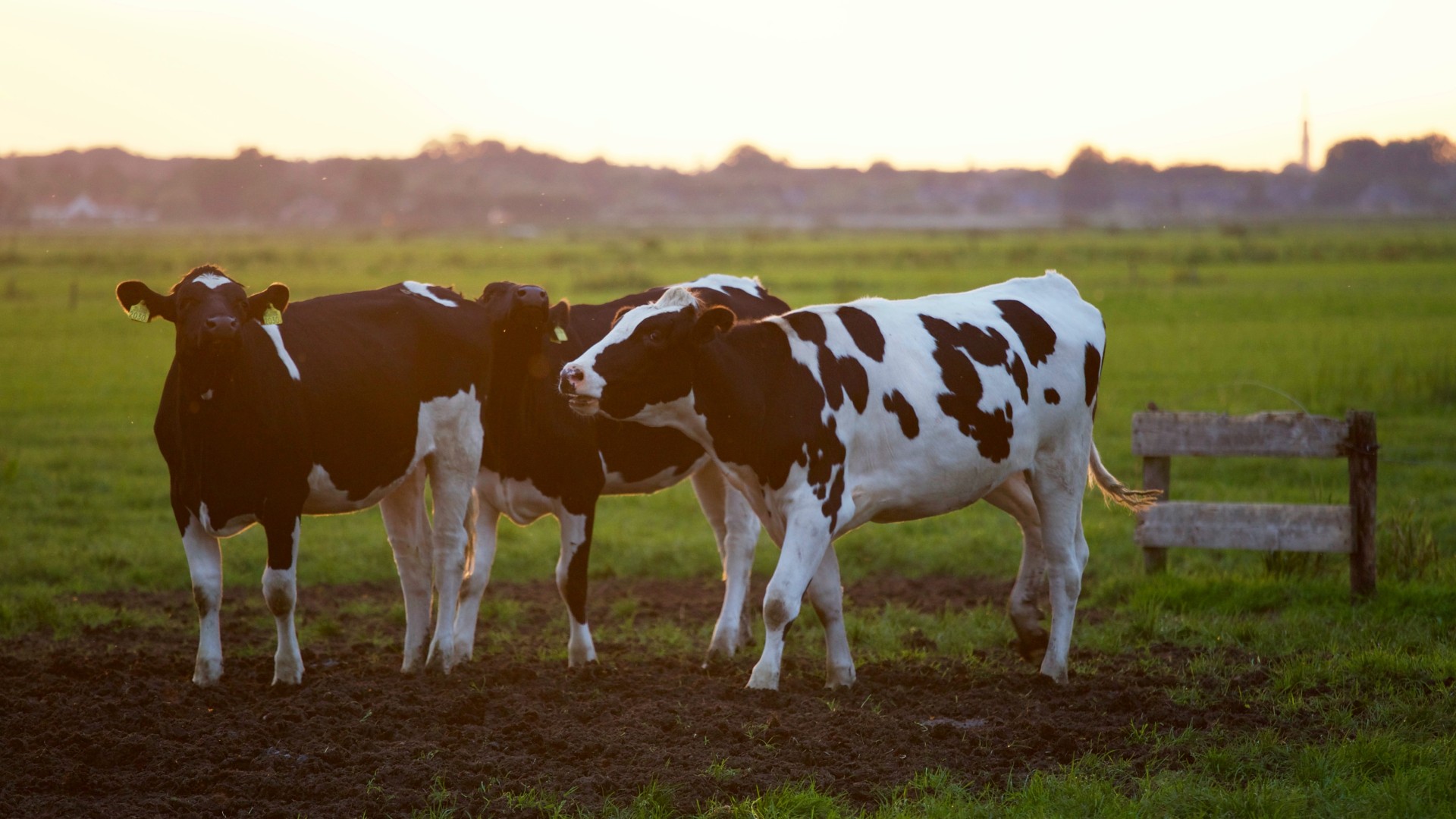
Importance of cow food in dairy production
Cow food is critical to dairy production as it provides the necessary nutrients for cows to produce milk. The right balance of carbohydrates, proteins, fats, vitamins, and minerals in their diet helps maintain optimal health and milk production. Inadequate or imbalanced feed can lead to decreased milk production, poor milk quality, and health issues in cows. Therefore, providing high-quality and balanced feed is essential for the success of dairy production.
Here's a call to action for sustainable cow food production practices: Let's prioritize the use of regenerative and organic farming methods, reduce the use of harmful pesticides and fertilizers, promote rotational grazing techniques, and support local farmers who prioritize sustainable practices. By making these changes, we can help reduce the environmental impact of cow food production and improve the health of our planet.
Nutritional Requirements in cow food
Cows require a balanced diet that includes roughage, such as hay or silage, and concentrate feeds, like grains or pellets. They also require water, minerals, and vitamins. The specific nutritional requirements vary depending on factors like the cow's age, weight, and level of activity. It is important to consult with a veterinarian or animal nutritionist to create a proper feeding plan for cows.
How these nutrients impact milk production?
There are several nutrients that can impact milk production in lactating individuals. Some of the key nutrients include protein, calcium, vitamin D, and water. Protein is important for the development and growth of milk-producing tissues, while calcium and vitamin D help maintain healthy bones and teeth. Adequate water intake is also essential for milk production, as dehydration can decrease milk volume. Additionally, certain herbs such as fenugreek and fennel have been traditionally used to support milk production.